
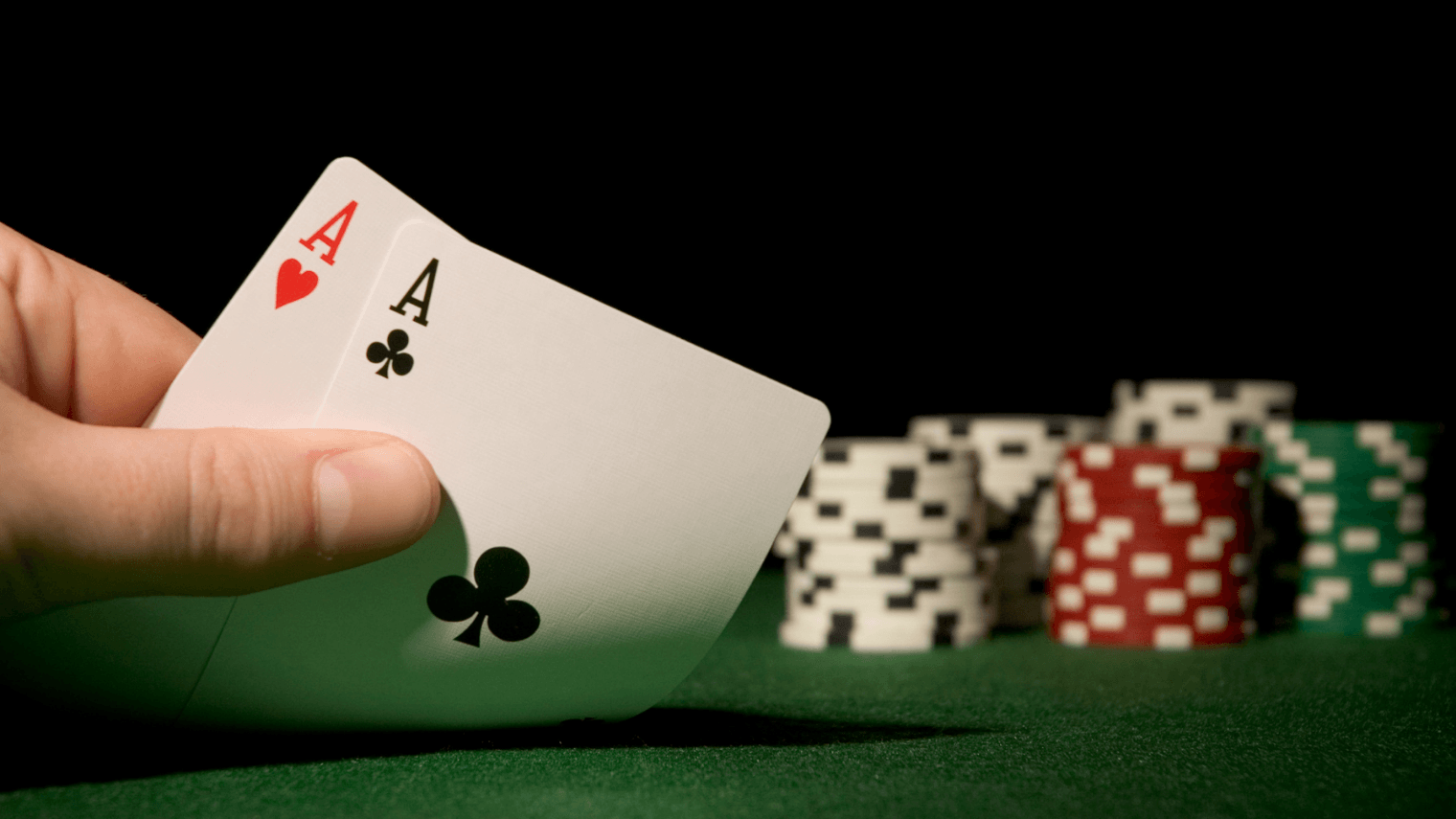
Opening poker hands
Choosing the right opening poker hands is one of the fastest ways to improve your results. It helps you avoid the most…
Poker
mindset
Poker is not just a game of cards, probabilities, and strategy. It is also a game of emotional control, patience, and decision-making under pressure. Learn how to develop a winning poker mindset, manage tilt, stay disciplined, and make better decisions at the table.
Even experienced players can struggle when bad beats, frustration, fatigue, or overconfidence influence their decisions. The difference between a disciplined poker player and an impulsive one often comes down to how they think, react, and adapt.

Here are ten poker mindset principles that can help you develop stronger mental habits and make better decisions at the table.
Winning every pot is impossible, and trying to do so is one of the quickest ways to develop bad poker habits. The objective is not to win every hand you play. It is to consistently make decisions that are profitable over the long run.
Sometimes the correct decision is to fold a strong hand. Other times, you might make a mathematically sound call and still lose. A losing hand does not automatically mean you made a mistake.
It is important to judge your decisions by their expected value (EV), not by the outcome of individual hands.
Bad beats are an unavoidable part of poker. You can get your money in with a significant mathematical advantage and still lose when your opponent hits an unlikely card. What matters is how you respond.
Frustration can quickly lead to tilt, causing you to play too aggressively, chase losses, or abandon your usual strategy.
Instead of focusing on the result, ask yourself whether your decision was correct based on the information available at the time. You cannot control the cards, but you can control your response to them.
Poker rewards logical decisions, not personal pride. One of the biggest mental traps is becoming emotionally attached to your initial read of an opponent.
You might believe an opponent is bluffing. But as the hand develops, new information may suggest otherwise. Refusing to reconsider your read simply because you want to be right can become expensive.
Strong players continuously reassess ranges, betting patterns, and available information. Developing your poker hand reading skills helps you make decisions based on evidence rather than assumptions. Be willing to change your mind when the evidence changes.
Pressure can make poor decisions seem surprisingly reasonable. When facing a large bet, an unexpected raise, or a difficult river decision, players sometimes act too quickly. Instead, take a moment to evaluate the situation.
Consider your opponent’s likely range, the pot odds, your position, and the actions taken throughout the hand. A structured decision-making process reduces the risk of impulsive calls or unnecessary bluffs. Take the time you reasonably need to make informed decisions.
Every poker player makes mistakes, including professionals. The problem is not necessarily making one incorrect decision. It is allowing that mistake to influence everything that follows.
After making an unsuccessful bluff, you might become overly cautious. Alternatively, you might try to recover the loss immediately with unnecessary aggression. Both reactions can damage your overall strategy.
Recognize the mistake, make a mental note to review it later, and return your attention to the next decision. One mistake does not have to define your entire session.
Loose players can be frustrating opponents, particularly when they repeatedly call with weak hands and occasionally win.
A common mistake is responding by becoming unnecessarily loose yourself. Instead, adjust your strategy based on their tendencies.
You can often increase your value betting and reduce unsuccessful bluff attempts against opponents who call too frequently.
The goal is to exploit their weaknesses without abandoning sound poker principles. Adapt to loose opponents strategically, not emotionally.
Mental fatigue can affect your poker decisions long before you realize it.
As concentration decreases, players may overlook important information, miscalculate pot odds, or make decisions without properly considering their opponents’ ranges.
Long sessions can also make emotional control more difficult. Pay attention to signs such as impatience, repeated mistakes, or difficulty maintaining focus.
Taking breaks or ending a session early can be more valuable than continuing to play with reduced concentration. Treat your mental energy as a limited resource that deserves protection.
Successful poker players are not emotionless. They experience frustration, excitement, disappointment, and uncertainty just like everyone else. The important skill is recognizing those emotions before they influence a decision.
After winning several large pots, overconfidence might encourage you to take unnecessary risks. After losing, frustration might make a marginal call seem more attractive.
Developing emotional awareness allows you to separate how you feel from what the situation actually requires. Notice your emotions, but do not let them dictate your strategy.
Large river bets can create particularly challenging decisions. Sometimes a player convinces themselves that an opponent must be bluffing, not because the evidence supports that conclusion, but because folding feels like admitting defeat.
Before making a major call, reconstruct the hand. Ask yourself what value hands your opponent could reasonably have, which bluffs are possible, and whether the betting sequence makes sense.
Compare your opponent’s likely range with the pot odds you are receiving. Understanding poker odds helps you evaluate whether a difficult call is mathematically justified.
Do not allow the desire to catch a bluff to replace sound reasoning. A disciplined fold can be just as valuable as a successful hero call.
Improvement does not end when you leave the poker table. Some of the most valuable learning happens when reviewing difficult hands away from the pressure of live decisions.
Focus especially on situations that created uncertainty, frustration, or hesitation. Were your assumptions about your opponent’s range reasonable? Did you calculate the pot odds correctly? Did emotions influence your actions?
Using poker training tools and hand analysis can help identify recurring mistakes and improve future decisions. Rather than judging a session solely by money won or lost, evaluate the quality of your decision-making.
The hands that challenge you most often provide valuable opportunities to learn.
Developing a strong poker mindset requires practice, self-awareness, and consistency. Technical knowledge helps you understand which decisions are profitable. Mental discipline helps you apply that knowledge when emotions and pressure make it difficult.
By focusing on decision quality, controlling tilt, recognizing fatigue, and reviewing challenging hands, you can build habits that support long-term improvement.
Poker will always involve uncertainty and variance. You cannot control every outcome, but you can improve the decisions you make along the way.
Train your decisions, not just your instincts. Practice poker strategy, improve your decision-making, and develop stronger habits with Poker Trainer.
Choosing the right opening poker hands is one of the fastest ways to improve your results. It helps you avoid the most…
Poker is easy to learn, but hard to master. That is part of what makes it fun. If you want to know how to become better at poker, the key is…