

Poker odds explained
Poker odds can feel intimidating at first. For many players, math is the part of poker they want to avoid. But poker odds…
What is limping
in poker
Limping in poker means entering the pot by calling the big blind instead of raising. If you are first to act and you just call, that is an open limp. If someone has already limped and you call behind, that is an overlimp. You will see limping a lot in low stakes games, especially live poker and sometimes in tournaments.

In most cash game situations, open limping is not recommended. In tournaments it is also often a weak play, because you give up initiative and allow players behind to attack you with an isolation raise. There are a few common exceptions, such as completing from the small blind when it folds to you in some tournament formats and stack depths and overlimping with implied odds hands when you expect a cheap multiway flop.
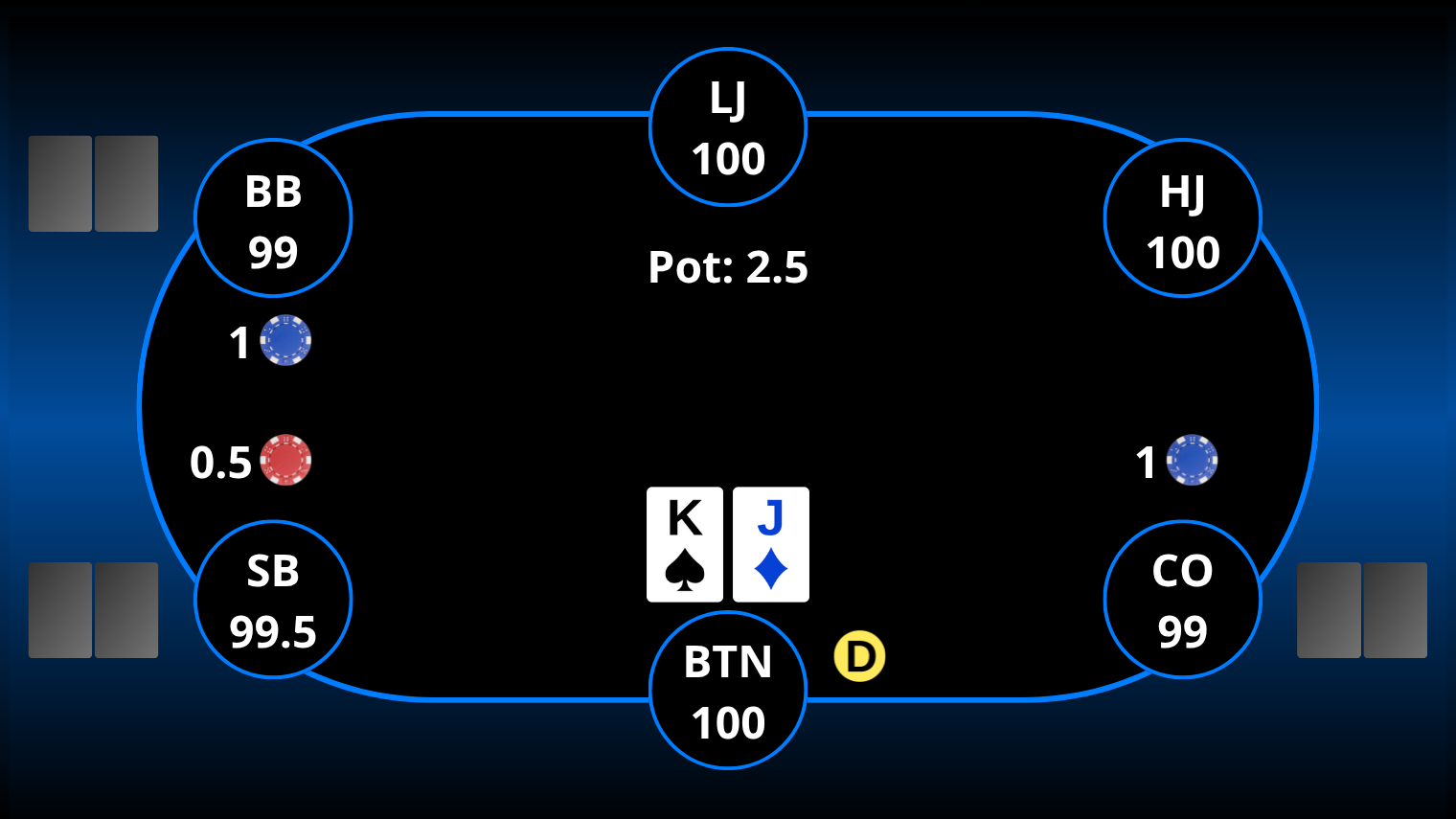
When you limp, you let your opponents see a flop cheaply. That is good for the players behind you, because many hands gain value when they can see flops for a low price. Suited hands can flop flush draws, connected hands can flop straight draws and small pocket pairs can flop sets. By limping you often give those hands a cheap chance to hit.
You also lose initiative. Initiative means you were the last player to show aggression preflop. Initiative matters because it makes continuation betting and bluffing more effective. When you raise preflop, your opponents expect you to have stronger hands and they fold more often on the flop. When you limp, you signal a weaker range and your bets get less respect.
Finally, limping often creates multiway pots. Multiway pots are harder to play well because ranges are wider, strong hands are more likely to be outdrawn and one pair hands lose value. Many beginners lose money by limping, seeing a flop with several players and then getting attached to top pair in a spot where someone often has two pair or a set.
An open limp is the most common type of limping mistake. You are the first player to enter the pot and you choose to call instead of raising. In cash games, this is rarely optimal. You give up fold equity, you build a pot where you have no initiative, and you allow the blinds to see a flop too cheaply.
An overlimp means you limp after someone else already limped. This can be slightly better than open limping, because the pot is larger and you are not always giving up as much fold equity. Overlimping is still often passive and low profit, but there are situations where it can make sense, especially with hands that rely on implied odds.
Implied odds means you win a big pot when you hit a very strong hand. Small pocket pairs and suited connectors are classic implied odds hands. They miss most flops, but when they hit a set or a strong draw, they can win a lot of chips from players who overplay one pair hands.
Limpers are often weak players and they can be a good source of profit. The best way to punish a limper is to isolate. An isolation raise, often called an iso raise, is a raise that tries to get heads-up against the limper or make everyone fold.
Your goal is usually one of two outcomes. You win the pot preflop or you go to the flop heads-up with initiative. Both are good results. What you want to avoid is raising too small and getting three or four callers anyway, because then you created a big multiway pot where your advantage is smaller.
A simple rule for raise size versus limpers is:
When you iso-raise a limper, you want hands that either make strong top pairs or strong draws or strong overpairs. You also want to avoid hands that get dominated when called.
As a simple default, start with these hands as your iso-raise core in position:
When you are out of position, tighten up. Remove the weaker suited hands and most offsuit broadways, and focus more on pocket pairs, strong aces, and suited broadways. Out of position it is harder to realize equity, and you will get called more often.
If there are multiple limpers, tighten further. Multiway flops reduce the value of one pair hands and make it harder to win pots with a continuation bet. In those spots, prefer hands that can make very strong hands, like pocket pairs and suited hands that can make strong draws.
A simple beginner rule that works well is this.
In position, iso-raise about one position tighter than your normal opening range.
Out of position, iso-raise tight and value heavy and do not force thin hands into a big pot.
Not all limpers are the same. Some players limp a wide range and call too much. Those are the best targets, especially if they play fit or fold postflop.
Other players limp medium strength hands and call a raise, but then play cautiously postflop. These players still can be profitable to isolate, but your value comes more from postflop pressure than from big value bets.
A rarer type is the trap limper. Some players limp very strong hands like AA or KK, hoping someone raises behind. This is not common, but it happens more in live games than online. If a player limps rarely and then suddenly limps from early position, you should be more cautious, especially if he later re-raises.
Also consider the players behind you. If there are aggressive players left to act who like to squeeze, raising too wide becomes risky. And if there are many limpers and you are out of position, the pot can become messy quickly. In those spots, tighter is usually better.
Even though raising is usually best, overlimping has a place in some games. The main reason is implied odds. Hands like small pocket pairs, low suited connectors and low suited aces can win very big pots when they hit and they do not mind seeing a cheap flop.
Overlimping can also make sense from the small blind when you are getting a very good price and the player behind is unlikely to raise. In the big blind, checking is often fine because you already have money invested.
Still, as a baseline, do not overlimp hands that you would not be happy to play in a multiway pot. Overlimping creates exactly that situation, so you should prefer hands that either hit very strong or can win with pressure.
So, what is limping in poker? It is calling the big blind instead of raising. It is common in low stakes games, but it is usually a weak strategy in cash games because it gives up initiative and invites multiway pots.
If you want a simple plan, raise your playable hands, isolate limpers with good hands and good sizes and overlimp only with hands that have strong implied odds. This one change alone can make a big difference in low stakes win rate.
Poker odds can feel intimidating at first. For many players, math is the part of poker they want to avoid. But poker odds…

In poker, you can win a hand in two ways. You can win by having the best hand at showdown. Or you can win by making your opponent fold…